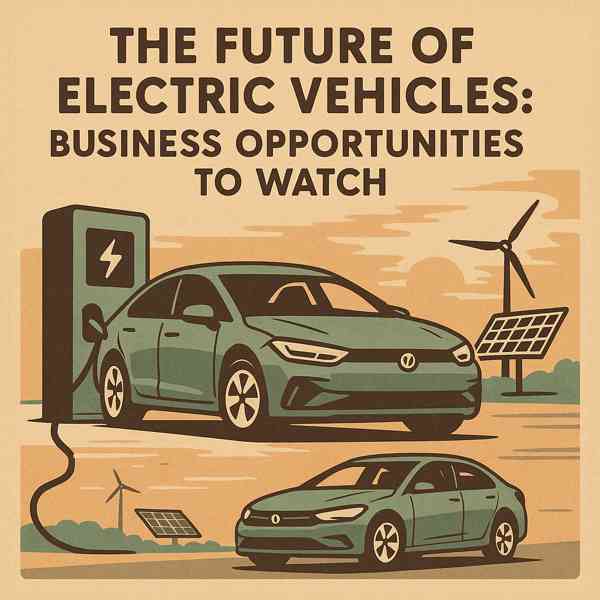
With zero emissions and cutting-edge technology, EVs are quickly becoming a future standard for personal and commercial travel.
As battery technology improves and infrastructure expands, owning an electric vehicle has never been more practical.
What Are Electric Vehicles?
Electric vehicles are powered entirely by electric motors, rather than traditional internal combustion engines.
What powers EVs:
- Drives the wheels using electricity
- Stores the electrical energy
- Power electronics
- Charging system
Electric vehicles come in various types, such as battery electric vehicles (BEVs)—each with different levels of electrification.
Advantages of Going Electric
Whether you're looking to save money or reduce emissions, EVs offer a compelling option.
What makes EVs attractive:
- Lower operating costs
- Helps fight climate change
- Less noise and vibration
- Government incentives and tax credits
For eco-conscious and cost-aware drivers, electric vehicles are an increasingly forward-thinking choice.
Limitations to Consider
Understanding the limitations of electric vehicles will help you make an informed decision.
EV challenges to consider:
- Shorter range compared to gas vehicles
- Charging infrastructure gaps
- Though often offset by long-term savings
- Battery lifespan and replacement
As technology advances and infrastructure improves, many of these challenges are becoming read more more acceptable.
Exploring EV Variants
Not all electric vehicles are the same.
Categories of electric vehicles:
- Battery Electric Vehicles (BEVs)
- Electric motor with backup gasoline engine
- Hybrid Electric Vehicles (HEVs)
- Use hydrogen to generate electricity
Each type has its pros and cons, so buyers should choose accordingly.
How to Charge Your EV
Charging an electric vehicle is convenient once you understand your options.
Main EV charging options include:
- Standard household outlet
- Level 2 Charging
- DC Fast Charging
- Charging without cables
As public charging networks expand, EV owners will enjoy even more freedom, flexibility, and convenience.
What’s Next for EVs?
Electric vehicles are here to stay.
Where EVs are going:
- Longer range and safer performance
- Vehicle-to-grid (V2G) integration
- Combining EV tech with self-driving systems
- More choices at lower prices
As innovation continues, EVs will become more dominant in the automotive world.
Conclusion
Electric vehicles represent a major shift in how we think about mobility.
From environmental benefits to cutting-edge tech, electric vehicles offer a exciting alternative to traditional cars.